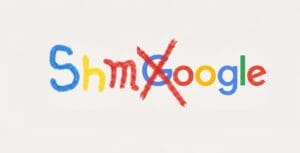


Field report · July 2026
AI fatigue is real.
Sameness is the symptom.
Every business is being told the same thing about differentiating right now, and doing it with the same tools everyone else is using. Here's what that costs you, and the one test that actually tells you if it's working.
One of these gets recommended. The rest are competing for the same three sentences.
The fatigue
The industry hit a wall in June.
Cannes Lions 2026 had a different mood to the year before. Last year was AI optimism, big ambitions, endless demos. This year, fatigue set in. A sense the industry had over-rotated on the technology and under-delivered on results.
USING AI WEEKLY
CHANGED THEIR ACTUAL WORKFLOW
Everyone adopted the tool. Almost nobody changed the output. That gap is where the sameness comes from.
The sameness
Marketers already know what's wrong with it.
Brafton asked 132 marketers what worried them most about AI-generated content. It wasn't accuracy. It wasn't brand voice. It was one thing, by a wide margin:
The people most bothered by it weren't the newest marketers in the room. They were the most experienced ones: the people who've read enough client copy to recognise the pattern instantly.
Why it happens
You're not writing with a tool. You're writing with a consensus.
AI models predict the most statistically likely next word. Ask one to sharpen your positioning and it reaches for the frameworks it's seen most, because that's what most of the internet's positioning advice looks like.
A hundred businesses run the same prompt. You get the same three answers, worded slightly differently, ninety-something times.
The advice everyone's following to "differentiate" is now producing businesses that all differentiate identically.
Why it matters now
AI is doing your referrals.
When someone asks ChatGPT who to use for their kind of job, it recommends whoever it can describe with confidence. A business built on "trusted, experienced, personalised" can't be confidently described, because that's the average description of everyone in the category. It gets skipped in favour of whoever sounds specific.
The test
Tick these off honestly.
Run this before your next content sprint
Hand a competitor your homepage and your last five posts. Ask them to write your "why us" page using only that, and a generic AI tool.
Tap each one that's true. Two or more ticked means you're indexed, not positioned.
What can't be copied
What a model can't manufacture for your competitor.
A client outcome with a real figure attached. Not "great results." A number someone could check.
One US social agency found a single unpolished photo series showing how a product was actually made outperformed four months of designed graphics, with triple the engagement and comments from real customers. A generic prompt run by a competitor could not have produced it.
What went wrong once, and exactly what changed afterwards. Nobody generates an admission for you.
A founder's actual name and phone number on the page, instead of a contact form.
That's not a content strategy. It's an evidence strategy. AI search engines cite the source that seems most specific and most verifiable, not the one running the trendiest framework.
The bottom line
It doesn't reward the best description.
It rewards the hardest one to confuse with anyone else.
Positioning still matters. Channels still matter. But the framework everyone's running this month is the entry fee, not the edge. Want to know where your site actually lands?
Get your AI search auditOr call 1300 650 274